
Photo: Jim Harrison
Brenda Krause Eheart
Human Condition
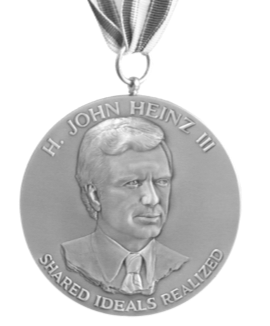
14th Heinz Awards - 2008
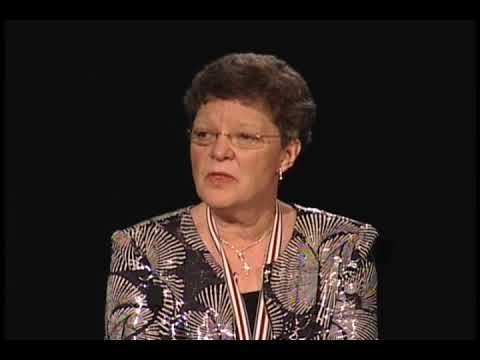
Brenda Krause Eheart received the 14th Heinz Award in the Human Condition for finding a solution to the nation’s confounding issue of foster care adoption.
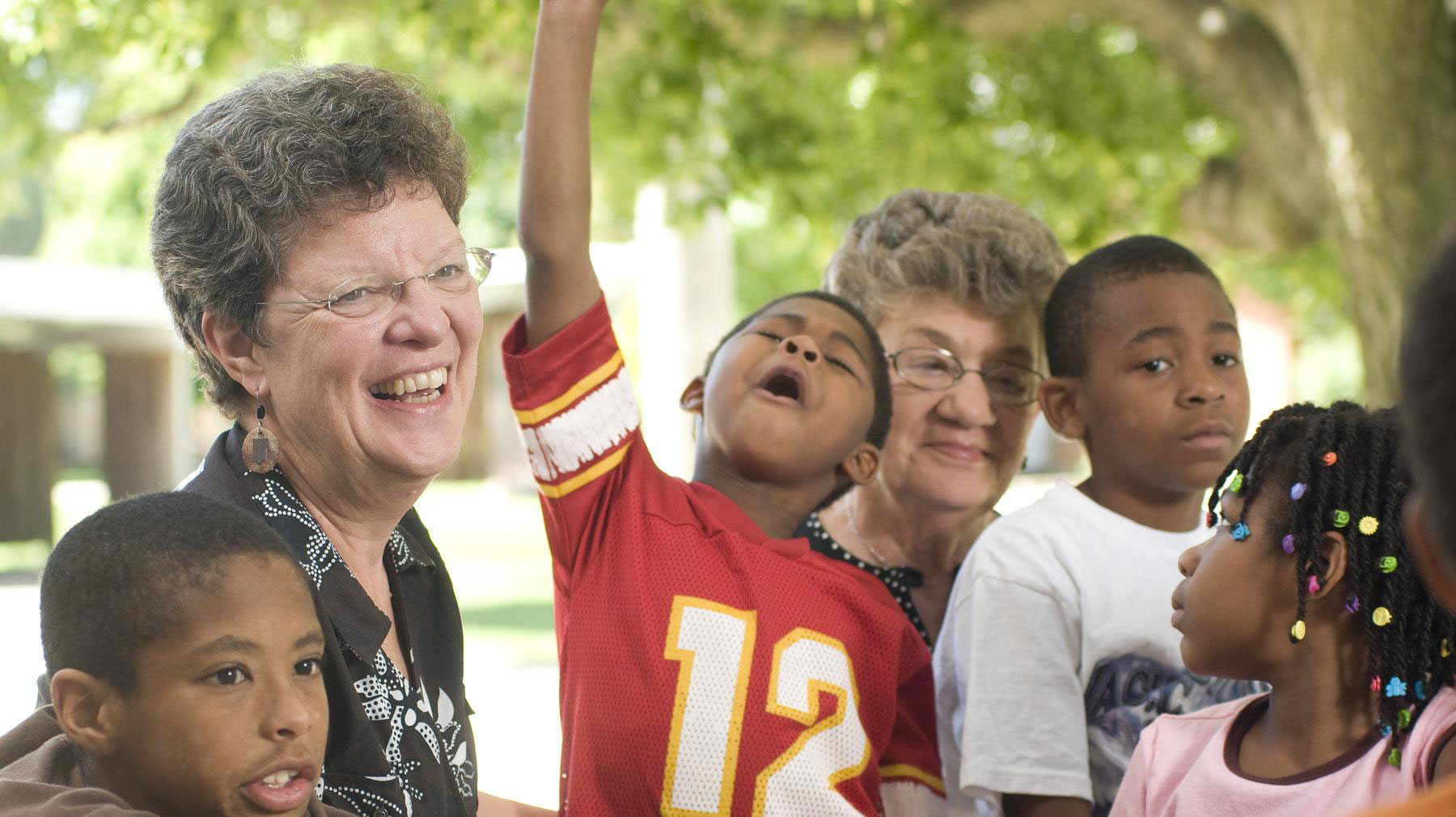
A pioneering foster care advocate, Dr. Brenda Krause Eheart has created an innovative model of community living that boldly confronts the inherent failures within the traditional system of adopting children out of foster care. As the founder of Generations of Hope and Hope Meadows, the intergenerational community, where foster children, their adoptive parents and senior citizens live as neighbors, Dr. Eheart has advanced a groundbreaking solution to a confounding issue - the nation’s anachronistic system of foster care adoption.
In founding Generations of Hope, Dr. Eheart has established an inventive model for mutual support that has provided a renewed sense of meaning for countless Americans. Her dream of creating a place where children, particularly the more than 129,000 children waiting in foster care to be adopted in the United States, would be adopted by caring parents who would themselves be supported by full-time therapists and psychologists, has grown in size and scope. By incorporating seniors into her vision, she has given birth to a vibrant new paradigm of interdependent community living, one which creates a caring and supportive environment for all.
After adopting an infant boy herself, Dr. Eheart (at the time with the University of Illinois and a specialist in behavioral sciences and sociology) conducted a 10-year study on adoption and the foster care system in Illinois, interviewing families that had adopted some of the older wards of the state. Her research found that foster children were typically placed in multiple homes before age 18, a situation due largely to a lack of social and emotional support. In fact, half of the nation’s foster children who age out of foster care never finish high school.
Such statistics propelled her, in 1994, to found Generations of Hope, creating a breakthrough model that works like this: in exchange for agreeing to take in three to four children, adoptive families live rent-free in large homes, with the stay-at-home parent receiving a modest salary. More experienced foster and adoptive parents mentor newer families. The seniors in the community pay monthly rent – about $100 below market rates – for their apartments.
Therapists, social workers and counselors work on site with the foster and adoptive families. The diverse neighborhood creates intergenerational friendships that benefit residents of all ages, and it is these relationships that are the key to the community’s success.
Brenda Eheart’s innovative model of multigenerational community living is helping find permanent, caring homes for many of America’s foster children, and by engaging and involving senior citizens within the community, she is enriching the quality of life for everyone involved. She has succeeded in breaking down walls - real and metaphorical - that have segregated those who can truly benefit from one another’s support and love.
Note: This profile was written at the time of the awards’ presentation.
Links
Videos