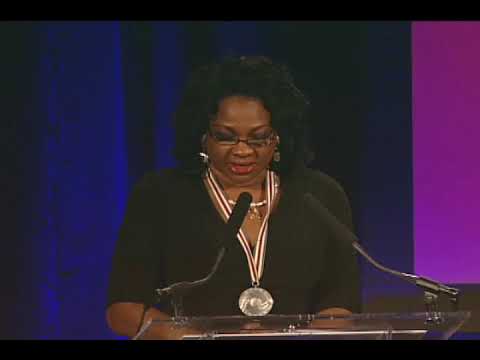


Photo: Bernie Saul
Beverly Wright
Special Focus on the Environment
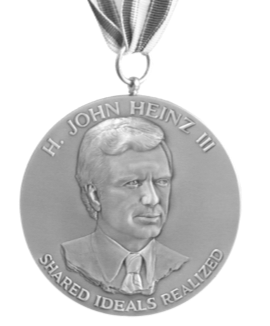
15th Heinz Awards - 2009
A leading scholar on and advocate for environmental justice, Beverly Wright was honored with a 15th Heinz Award with Special Focus on the Environment for her work on behalf of communities, especially those in Louisiana’s “Cancer Alley.”
As head of the Deep South Center for Environmental Justice at Dillard University in New Orleans, she has been tackling issues of environmental racism and working to raise the profile of environmental issues in poor and minority communities nationwide.
Since Hurricane Katrina, much of her work at the Deep South Center has focused on research, policy and community outreach as well as assistance and education of displaced African-American residents of New Orleans. Dr. Wright, who is a professor of sociology, lost her own home to Katrina and has been an advocate of the safe return of residents, addressing the critical issues of health and environmental restoration and monitoring fairness as it relates to standards of clean up.
After 200 sites around the city identified elevated lead and arsenic levels, Dr. Wright forged a unique partnership with the U.S. Steelworkers to launch a proactive pilot neighborhood clean-up project. The project, called A Safe Way Back Home, trained more than 60 small businesses and contractors in hazardous waste removal, mold remediation and health and safety methods, and trained hundreds of volunteers from around the country to assist community residents in the clean-up and return to their devastated homes.
As the founding director of one of the first university-based environmental justice organizations, Dr. Wright has been at the forefront of the movement. She had an early leadership role in forging national policy to eliminate disparities involving environmental concerns and has remained steadfast in the movement’s leadership since day one.
Note: This profile was written at the time of the awards’ presentation.
Videos
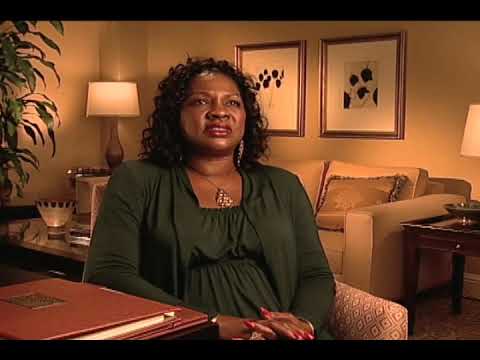
Beverly Wright, Leading Scholar and Advocate for Environmental Justice - Heinz Awardee